Shifting Search from Utility to Discovery
Reimagining the search suggest interface to capture deep intent and drive higher conversion before the user even finishes typing.
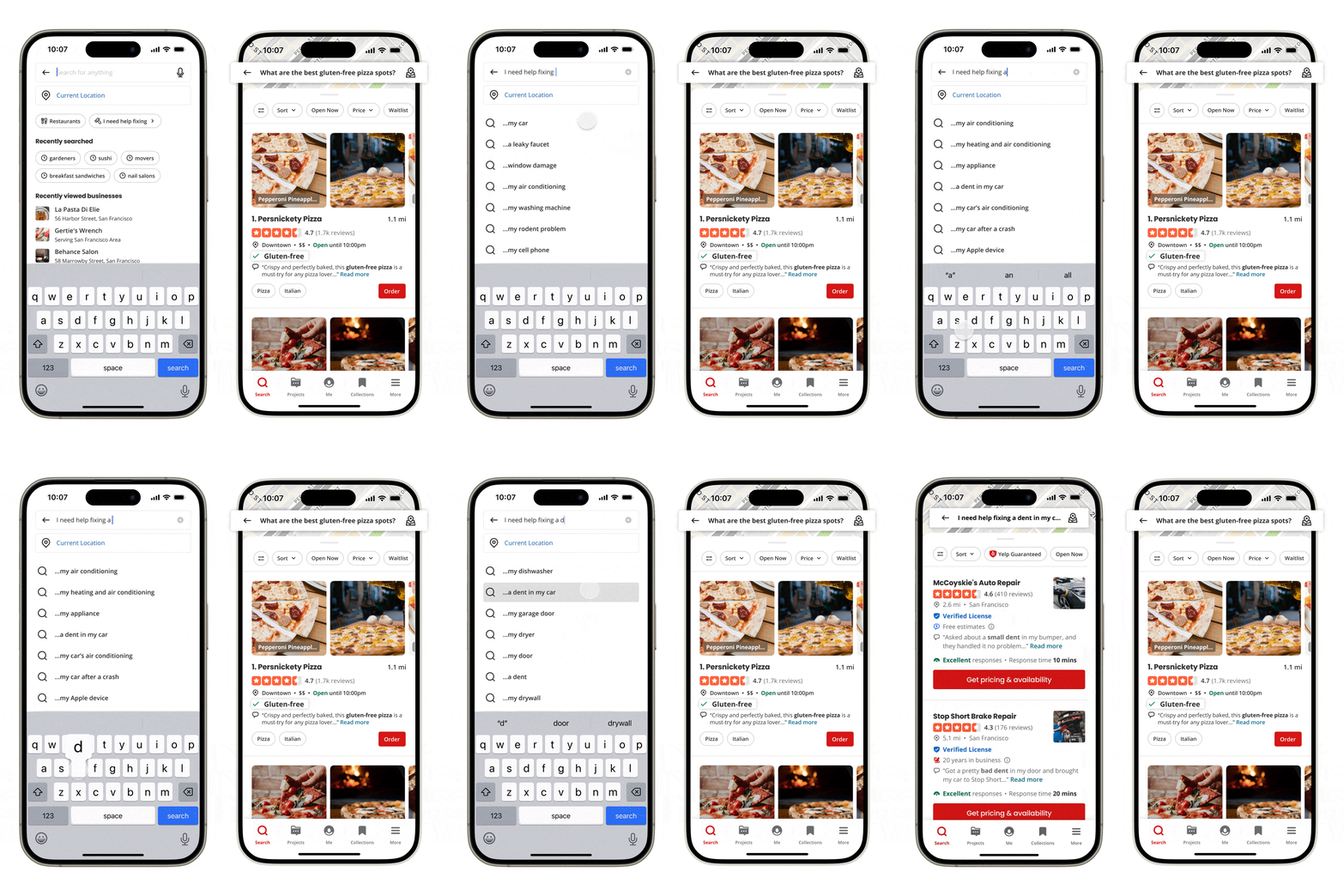
User research showed users were "lazy" typists—often entering just "res" and tapping the first generic result. I led the design of Expressive Suggestions to capture deeper intent early.
Role
Lead Product Designer
Responsibilities
- Anticipatory search suggest UX
- Tag-based filter framework design
- Data-driven design iteration
- A/B testing setup
Foundational Research
Mapping the Lazy Typist
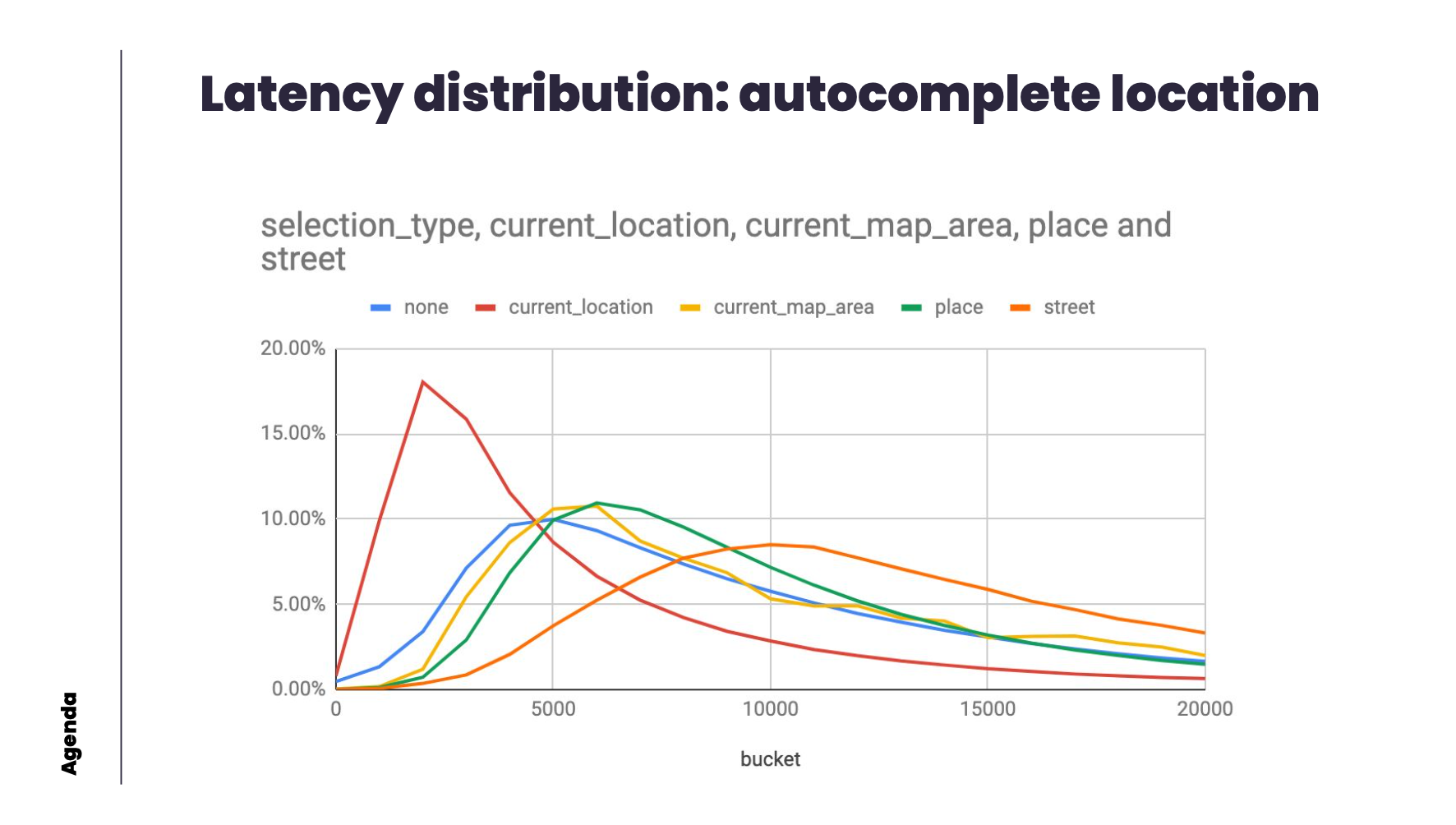
I partnered with UX research and data science to analyze autocomplete latency and character distribution. We hypothesized that if we could capture specific intent (e.g., "lunch restaurants offering deals and pickup") early, we could surface better results.
Tag-Based Filter Framework
Introducing Intent-Driven Navigation
We used the search suggest interface to introduce a new tag-based filter framework. Instead of waiting for the results page, users could refine their search with specific attributes (e.g., "Outdoor Seating", "Good for Groups") directly within the suggest dropdown.
This reduced cognitive load and allowed the system to guide users toward higher-converting niche categories.
Expressive Suggestions
Leveraging the First Two Letters
We transitioned from simple autocomplete to contextual, intent-driven suggestions. This shifted the search box from a utility tool into a discovery engine.